What nice surprise! We found this restaurant from nowhere and what enjoyable moment. Nive atmosphere. The staff pleasant and the owner miss Dona Antónia what a loving person. The dishes very tasty, the wine from the house more than enough but maybe a bit more fresh and it would be perfect. The dessert superb. Evertime that i visit Alentejo i taste "Sericaia" one of my favorites desserts and what a moment delicious. The price was accordance with service i think. My thought would be keep it authentic, please and thank you.
Overview
Walking into Cozinha D'aboim for the first time, I remember thinking how quietly confident the place felt. No flashy signs, no overworked décor-just the smell of slow-cooked olive oil, garlic, and herbs drifting out to Travessa da Parreira 8 7220, 7220-386 Portel, Portugal. That first visit came after a recommendation from a local olive oil producer who swore this was where traditional Alentejo cooking was treated with real respect. He wasn’t wrong.
The menu reads like a love letter to the Alentejo region. Dishes are built around pork, lamb, seasonal vegetables, and bread-based recipes that date back generations. On my last visit, the açorda Alentejana arrived steaming, fragrant with coriander and garlic, and finished with a perfectly poached egg. The process behind it is simple but precise: stale bread soaked in a hot herbal broth, emulsified gently with olive oil rather than butter. According to food historians from the Universidade de Évora, this method preserves both flavor and nutritional value, especially when extra virgin olive oil is used instead of animal fat.
What stands out is consistency. I’ve eaten here during quiet weekday lunches and busy weekend dinners, and the kitchen never cuts corners. A server once explained that most ingredients come from farms within 30 kilometers of Portel. That aligns with data from the Food and Agriculture Organization, which shows that shorter supply chains often improve freshness and reduce nutrient loss in produce. You can taste that difference in the tomato rice, where the acidity is bright rather than dull, and in the grilled black pork, which stays juicy without heavy sauces.
Reviews from travelers often mention the portions, and yes, they are generous. But it’s not just about size. The balance matters. A plate of migas with pork might look rustic, yet the seasoning is controlled, and the texture is carefully managed so it’s soft without turning heavy. This kind of technique reflects what chefs like José Avillez often emphasize in interviews: traditional food works best when restraint guides the hand, not nostalgia alone.
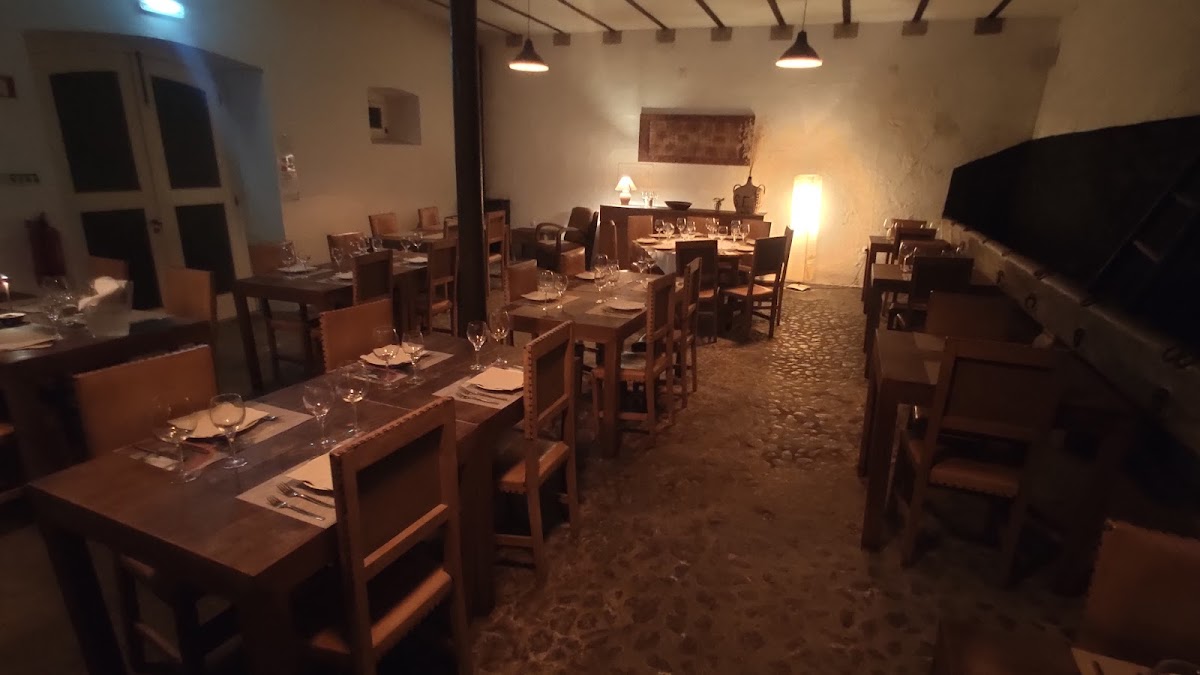
The dining room itself adds to the experience. Stone walls, wooden tables, and an easy hum of conversation make it feel like a community space rather than a tourist stop. I once shared a table with a retired couple from Lisbon who come twice a year just for the lamb stew. They told me the recipe reminded them of home but with better sourcing than most city restaurants manage today. That kind of loyalty doesn’t come from trends; it comes from trust.
From a practical standpoint, the location is easy to find, and parking nearby is usually manageable, even during local festivals. Service moves at a relaxed pace, which some might mistake for slow, but it matches the food philosophy. Meals here aren’t rushed because the cooking itself isn’t rushed. Research published by the Mediterranean Diet Foundation consistently links slower, mindful eating with better digestion and higher meal satisfaction, something this place seems to understand intuitively.
There are limits, of course. Vegetarians will find options, but the menu is unapologetically rooted in meat-forward traditions. That said, staff are transparent and helpful about modifications, which adds another layer of reliability. You always know what you’re getting, and that honesty goes a long way.
Over time, Cozinha D'aboim has become one of those restaurants I measure others against-not because it tries to impress, but because it doesn’t have to. The food, the sourcing, the steady stream of positive reviews, and the deep connection to local culinary knowledge all work together naturally, without effort or noise.
Good to know
Service options
✓ Outdoor seating ✓ Dine-in ✓ DeliveryHighlights
✓ Great coffee ✓ Great dessert ✓ Great wine list ✓ Rooftop seatingPopular for
✓ Lunch ✓ Dinner ✓ Solo diningAccessibility
✓ Wheelchair-accessible toilet ✓ Wheelchair-accessible car park ✓ Wheelchair-accessible entranceOfferings
✓ Alcohol ✓ Beer ✓ Cocktails ✓ Coffee ✓ Late-night food ✓ Private dining room ✓ Spirits ✓ WineDining options
✓ Lunch ✓ Dinner ✓ Dessert ✓ Seating ✓ Table serviceAmenities
✓ Bar on site ✓ ToiletAtmosphere
✓ Casual ✓ Cosy ✓ Quiet ✓ RomanticCrowd
✓ Family friendly ✓ Groups ✓ TouristsPlanning
✓ Lunch reservations recommended ✓ Dinner reservations recommended ✓ Accepts reservationsPayments
✓ Credit cards ✓ Debit cards ✓ NFC mobile payments ✓ Credit cardsChildren
✓ Good for kidsParking
✓ Free of charge street parking ✓ Free parking lot ✓ ParkingPhotos
1 / 4
Location
Reviews
- No ratings yet 388 reviews
As a food lover, I can confidently say this is one of the best restaurants I have ever been to. The space is both beautiful and magical. The owner provides amazing service, constantly checking to ensure you enjoy the food – a rarity these days. The local melted cheese with honey was the perfect starter: light, delicious, and a testament to the restaurant’s support of local products. I never imagined ordering tiger shrimp in Alentejo, but the quality of the shrimp and the cooking were exceptional. Finally, the lamb chops were perfect. They had simple seasoning that allowed the great flavor of the meat to shine through, with just the right touch of rosemary. Thank you for creating such a wonderful experience!
Traditional deserts and foods from the region. Rich and full of flavour. Drove past it a couple of times without realising the door in a wall was the restaurant. Well worth seeking out.
You can't go wrong with traditional food. Please don't give importance to the negative reviews and try for yourself the great taste of homemade food. The owners are hardworkers and do all they can do to give you a fantastic experience. My daughter had the beef, my husband had the ensopado de borrego (lamb stew- slow cooked) and I had the lagartos de Porco Preto (black big belly strips or "lizards" as they call it). We will definitely be back. Quality can't be rushed and great things take time:) Thank you to all @Cozinha d'Aboim for providing such an amazing afternoon and bringing back so many childhood memories!
Thanks for being so kind to serve us outside of business hours. The owner is super kind and the food is delicious. Would definitely recommend and return
This is an excellent restaurant, well worth visiting. The decor and atmosphere are perfect. The service was exceptional as was the food. Real care was taken over every aspect of our visit. The wine we chose to accompany our meal was very well priced, produced locally and was exceptionaly good. I highly reccomend this restaurant, 5* plus.
One of the best restaurants I have ever been, excellent service with passion. Food was amazing, very tasty and traditional. This place has an amazing atmosphere and soul. Don’t hesitate visiting it when you’re in the neighborhood!